Let’s be honest: in 2026, no one is surprised by cybersecurity incidents, geopolitical instability, or other disruptions that affect how businesses operate. This is the reality we live in, and it requires preparation, not reaction.
That’s why choosing an IT partner today is no longer just about features or performance. It is also about the company behind the product: how it operates, adapts, and performs under pressure.
At this point, companies can choose either greater openness or greater closure as a strategic response. At Gurtam, we choose transparency. Step by step, we are sharing more about how the company operates and how its processes are managed on a daily basis: both with our partners and with the wider audience.
To understand this better, let’s look at how this works in practice.
What we focus on at Gurtam
One way to look at this is through the ESG framework: E stands for environmental, S for social, and G for governance – the key areas where a company operates and has an impact.
Gurtam is certified to the ISO 9001 and ISO/IEC 27001 standards, which speak louder than many descriptions of business practices. Building on this foundation, the company also follows the principles of ISO 26000, focusing on ethical governance, human rights, fair labor practices, environmental responsibility, and responsible business conduct across its operations and supply chain.
While we are not subject to mandatory CSRD reporting, we have conducted a double materiality assessment to better understand the key impacts, risks, and areas that matter for our business, and to define where we focus.

Infrastructure resilience and environmental context
As a fleet management and GPS tracking software development company, Gurtam approaches environmental challenges from two sides.
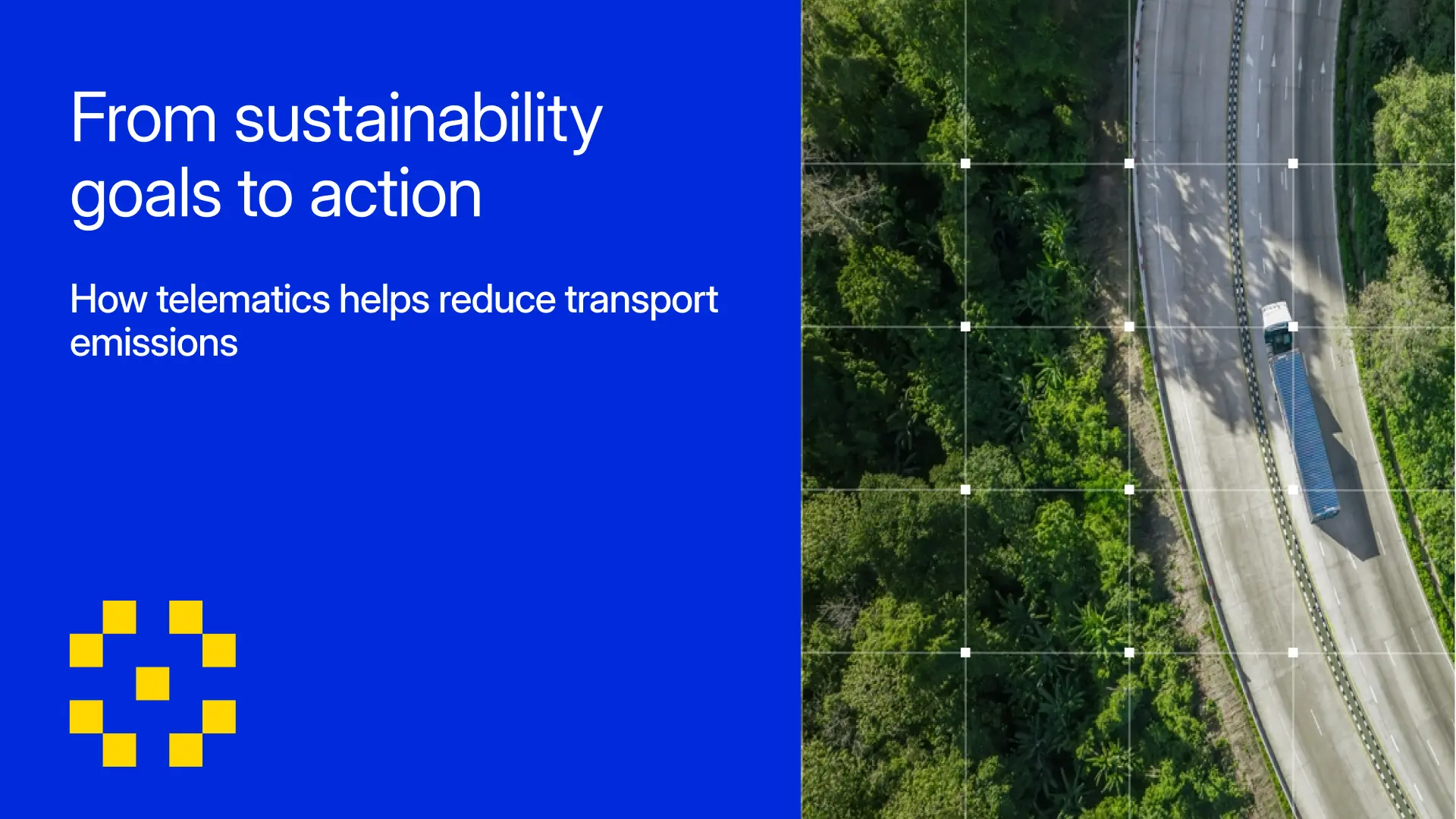
First, through the product itself. Our software can be used to monitor and reduce CO₂ transport emissions or help to organize effective waste management, and we continue to develop this direction.
Second, through our internal operations. This includes optimizing office resource consumption where possible and participating in environmental initiatives, such as yearly community tree-planting events in Lithuania.
At the same time, we encourage everyday habits that support a more sustainable lifestyle. For example, through internal walking challenges and participation in initiatives like the Sustainable Business League on Walk15, promoting more active mobility, reducing reliance on transport, and contributing to lower emissions.
Concurrently, environmental factors shape how we design our infrastructure, driving a focus on reliability, efficiency, and risk diversification — including the use of professional Tier III data centers across three countries (USA, the Netherlands, and Lithuania). This approach supports more efficient infrastructure utilization, reduces the need for less efficient on-premise systems, and helps maintain a 99.5% SLA-guaranteed product uptime.
People and long-term team stability
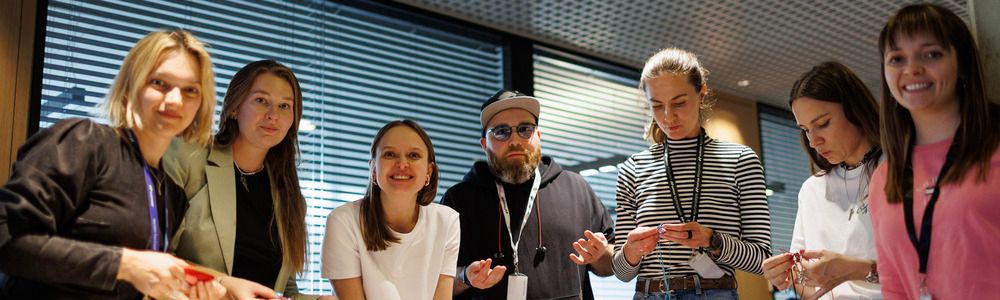
People and long-term team stability are a core element of product quality and knowledge retention. At Gurtam, people are at the heart of the company. In 2025, the company was recognized as Workplace of the Year in Lithuania – a result of consistent focus on how teams are built and supported.
Our approach is centered on employee development, performance management, engagement, and long-term workforce sustainability. This is supported by continuous monitoring of key indicators.
In 2025, the employee turnover rate was 13.6% (EU average: 17%), while overall engagement reached 75%, indicating a solid foundation of engagement and positive workplace sentiment. Notably, 82% of employees said they would recommend Gurtam as a great place to work.
We also track long-term retention and internal mobility. Currently, 38% of employees have been with the company for more than five years. Employee experience remains an important focus as well: 74% of employees report that their workspace is comfortable and supports their well-being and productivity throughout the day.
We are also committed to equal opportunities and respectful treatment without discrimination. Gurtam’s approach to diversity and inclusion is based on fairness, respect, and equal access to opportunities. The company's share of women is 47%, significantly higher than the IT industry average, which rarely exceeds ~20%.
A safe and respectful workplace is supported by clear internal policies and confidential channels that allow employees to raise concerns and have them addressed appropriately. We conduct regular training on preventing harassment and promoting non-toxic workplace interactions, and have established dedicated processes for situations where employees feel vulnerable or believe they have experienced inappropriate behavior.
As an international company, Gurtam brings together people from diverse backgrounds, with over 10+ nationalities represented across the team and more than 7 languages used. A dedicated HR team supports a shared culture and values that help unite this diversity, enabling effective collaboration, mutual understanding, and long-term success.

Governance, information security, privacy, and business ethics
In ESG reporting, the governance dimension reflects how a company operates within its broader environment: how it makes decisions, manages risks, ensures data security, and interacts with partners, regulators, local authorities, and the market.
It covers areas such as business ethics, information security, privacy, and overall accountability, and can be viewed from both internal and external perspectives.
Internally, this includes structured processes and controls designed to ensure stability and continuous improvement. This approach is supported by regular internal audits and management reviews, helping maintain the effectiveness and continuous improvement of our management systems, including ISO 9001 and ISO/IEC 27001 certification, with ongoing surveillance and recertification by accredited bodies.
In practice, ISO 9001 supports consistent service delivery and continuous improvement, while ISO/IEC 27001 provides a structured approach to information security across both internal processes and client-facing services.
We also follow applicable data protection requirements, including the GDPR, as part of our approach to privacy and the responsible handling of sensitive information.
These practices are complemented by our commitment to business ethics, including transparency, integrity, responsible data use, and ethical supplier relationships governed by our Supplier Code of Conduct.
Externally, this approach is supported through active participation in professional associations, contributing to the development of industry standards and responsible business practices. Gurtam is a member of organizations such as the Georgian ICT Association, Unicorns Lithuania, INFOBALT, the Lithuanian Business Confederation, and the Transport Innovation Association.
This allows us to stay closely connected to local communities and actively share knowledge with professionals across the industry.

Nastassia Zhyvitskaia, Administrative Project Manager, Gurtam
In my view, social responsibility is a broad and multi-layered topic. Although it requires investment, in practice, it makes the company more stable and predictable.
To better understand the impact, it helps to look at the opposite. A company without social responsibility typically operates in a reactive way: teams are less stable, knowledge is lost, decisions are made ad hoc, and issues are addressed only after something breaks. This leads to inconsistent quality, delivery risks, and lower trust from clients and partners.
When social responsibility elements are introduced, such as clear ethical rules, structured governance, investment in people, responsible resource use, and reliable partnerships, the way the company operates changes. Processes become clearer, teams more stable, and risks more manageable. As a result, social responsibility is not an additional layer, but a practical way to improve long-term business performance.
Responsibility as an ongoing process
Trust in the IT industry today, especially when working with GPS software companies and telematics providers, extends far beyond the product itself. It is based on something more fundamental: how a company manages its operations on a daily basis. In practice, this means embedding responsibility into everyday operations — not treating it as a separate effort, but as part of how the company functions.
This is a long-term, step-by-step process that Gurtam continues to develop and strengthen. We see openness as a more effective approach, one that reflects stability and reliability far better than any standalone statement.