When people think about the telematics industry, Lithuania is probably not the first country that comes to mind. Some countries are strongly associated with certain industries or products, like Canada, which is known for maple syrup, and Switzerland, which is known for watches.
And yet, if you look more closely, Lithuania has become one of the more interesting places on the global telematics map in recent years.
If there were an official “telematics product density per capita” ranking, Lithuania, with 2.9 million residents, would have a strong case for the top spot.
It is hard to name another country of comparable population size that simultaneously hosts the world's #1 aftermarket telematics hardware manufacturer and one of the largest fleet management software platforms by connected vehicles, and that's not all. Larger telematics ecosystems exist in countries like the United States and China, but their populations and economies are 100× bigger than Lithuania's.
That's what makes Lithuania's role so striking: its telematics footprint far exceeds what its size would suggest.
Economic and societal relevance: why telematics matters for Lithuania and Europe
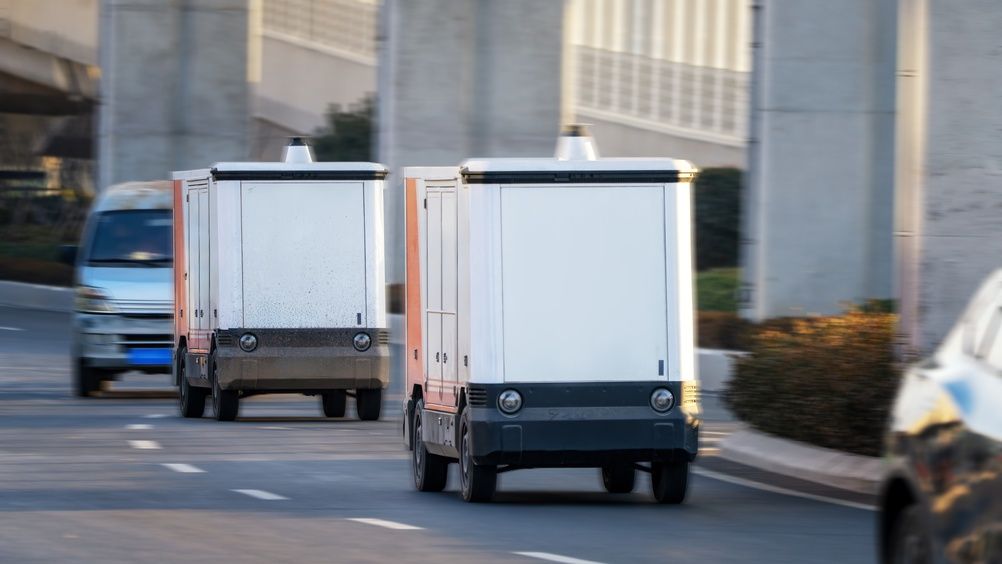
Transport is critical to European businesses and global supply chains. If it stops, the effect is felt almost immediately: store shelves can empty within days. The European Commission describes transport as a key part of the EU economy. It contributes around 5% to EU GDP and employs more than 10 million people across Europe. It also connects businesses, markets, and consumers across borders.
In transport, telematics provides visibility. It turns vehicles, assets, routes, drivers, cargo, and operating conditions into data that companies can use. Modern telematics is not a dot on a map; it can collect data from dozens of sources: vehicle location, fuel consumption, engine condition, driver behavior, cargo temperature, door sensors, road conditions, route progress, and many other signals. This data helps transport companies understand what is happening across their fleets in real time and make better business decisions.
At its core, fleet digitalization answers a practical question: how can transport be used more efficiently?
Efficiency is often understood as cost reduction, and that matters. Transport companies need to control fuel costs, reduce downtime, avoid empty mileage, etc., but the value of fleet digitalization extends to a smarter, more sustainable transport future. Better fleet data can help reduce fuel consumption and emissions, improve road safety, protect drivers and cargo, and lower the risk of theft, accidents, and preventable violations.
The telematics cluster in Lithuania: companies and technical expertise
In 2025, Gurtam and our partner, INFOBALT, Lithuania’s leading digital technology association, conducted a study of the country’s ICT (Information and Communication Technology) sector. The findings were notable: ICT now contributes 5.4% to Lithuania’s GDP, a record figure that is almost twice as high as a decade ago.
When it comes to telematics, Lithuania’s strength is not built around a single company but rather on a concentration of expertise. This includes software product companies, hardware manufacturers, integrators, service providers, and events that bring the ecosystem together.
Hardware layer
The hardware layer is especially strong. Teltonika Telematics is the clearest example. According to Berg Insight, Teltonika is the market leader in aftermarket vehicle telematics hardware sales, with a market share of about 7.1% and annual sales of €170 million in 2024. Its role is also evident within the Gurtam ecosystem: more than 1 million vehicles connected to Wialon use Teltonika telematics devices.
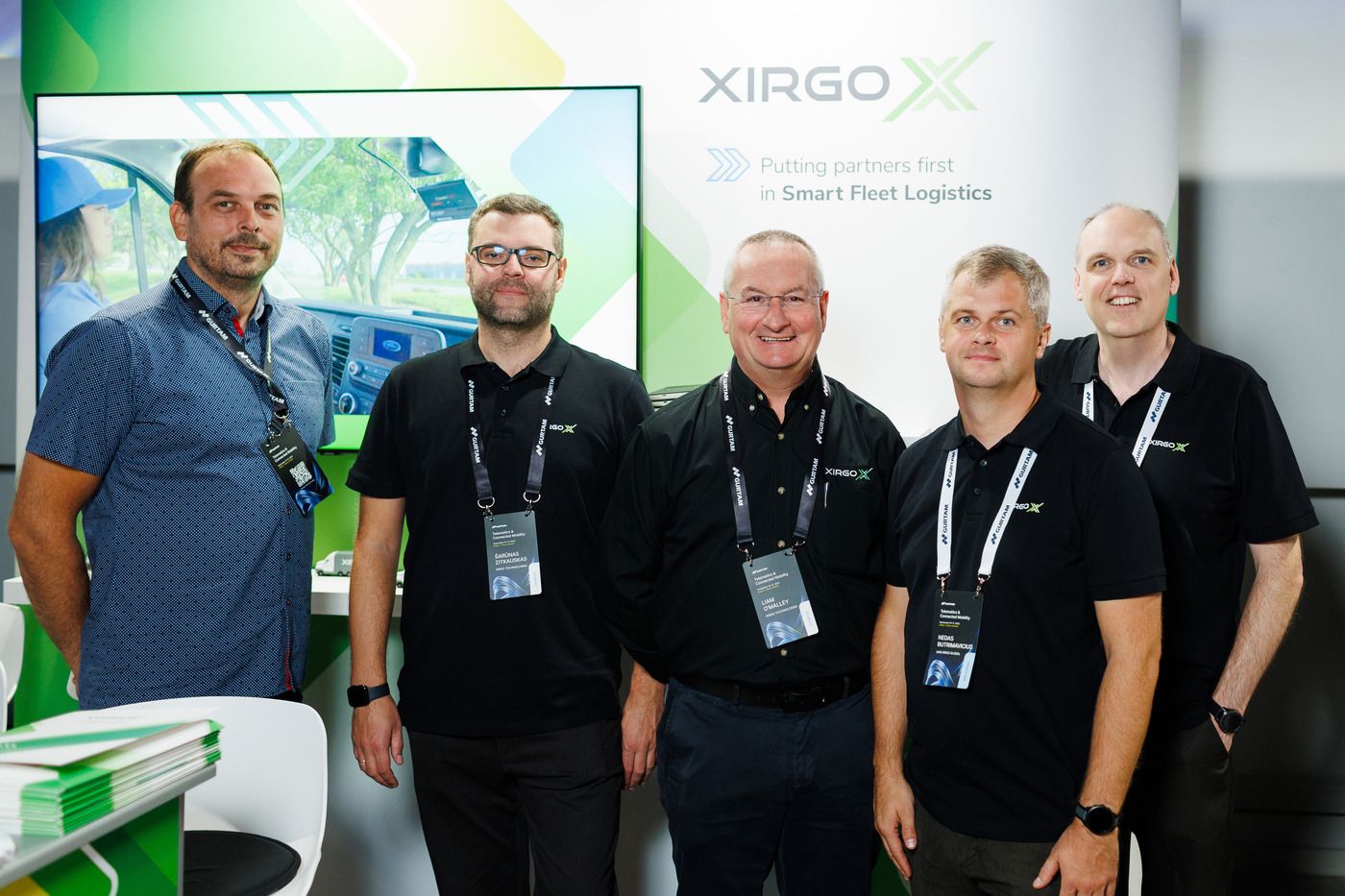
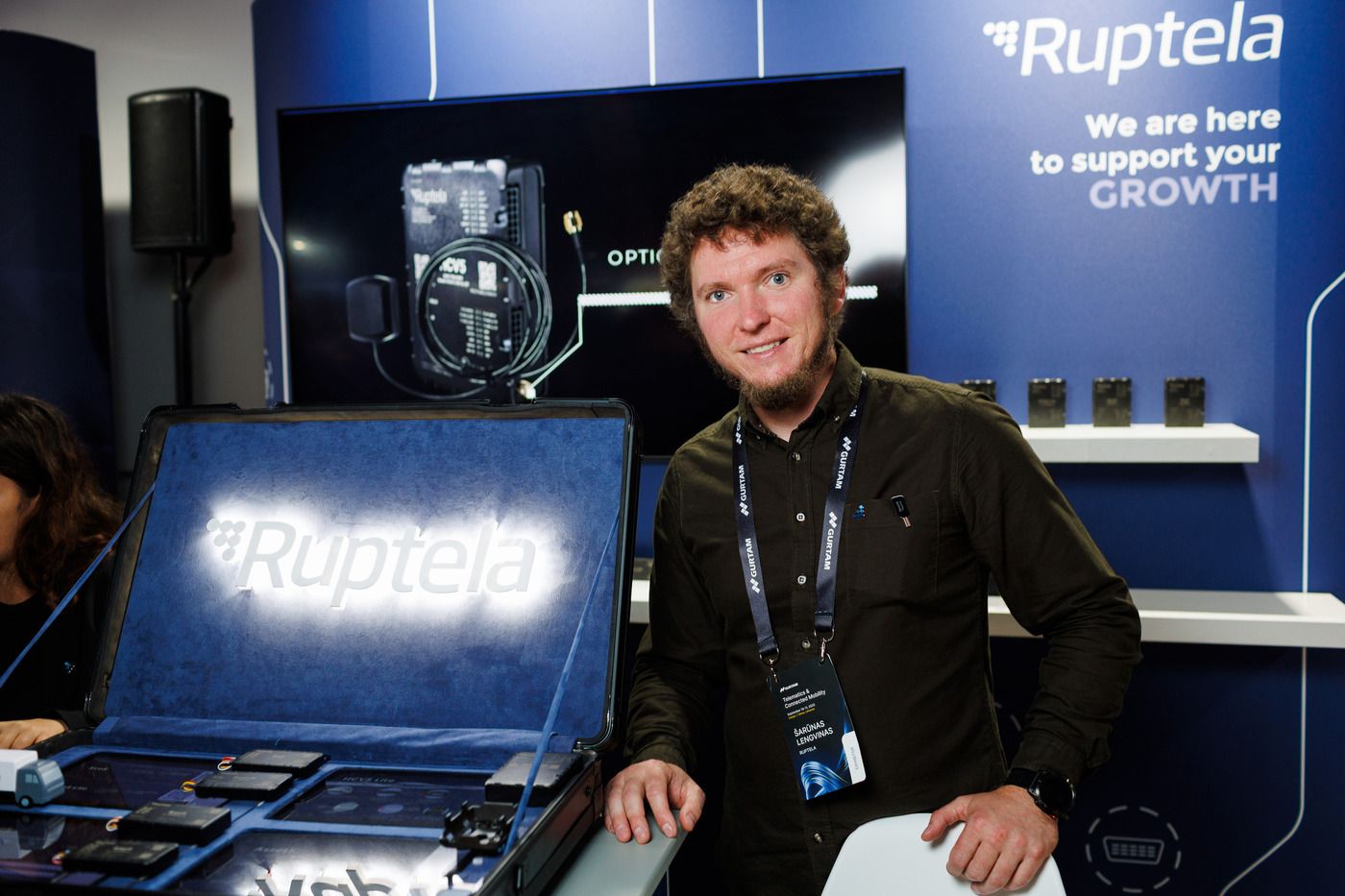
Teltonika is not the only Lithuanian hardware player with international reach. Ruptela, headquartered in Vilnius, reported €19 million in revenue in 2024, shipping 350,000 devices and serving customers in more than 150 countries. Next is Baltic Car Equipment (BCE): the company was acquired by Xirgo in 2019, later became part of Sensata INSIGHTS, and is now under Xirgo Global again. It operates in more than 70 countries, remains one of the notable names in Berg Insight’s hardware rankings, and has an office in Kaunas. In 2024, its sales revenue in Lithuania reached €9,657,732.
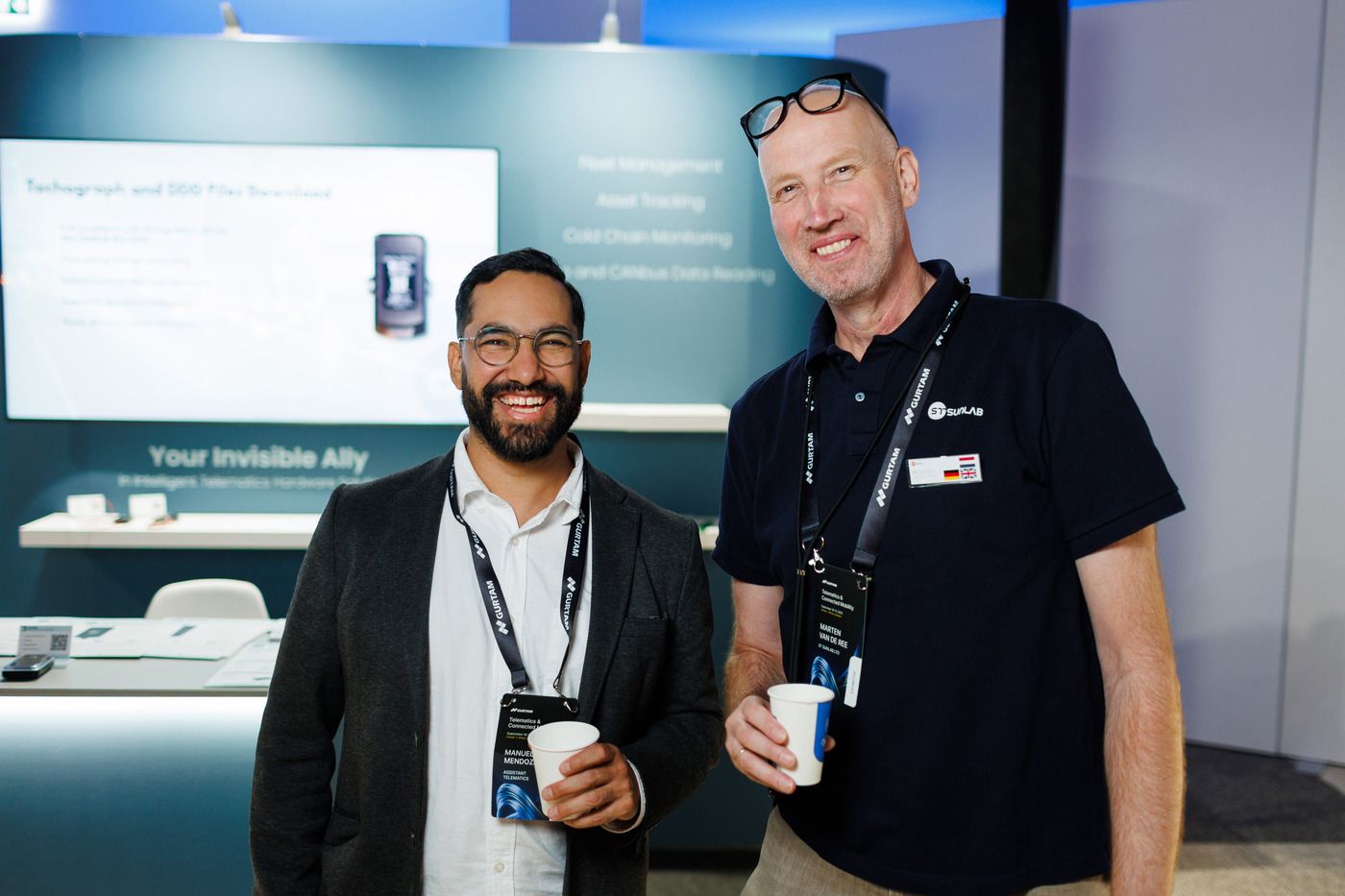
The list also includes smaller and more local manufacturers such as Assistant Telematics and Simbiotecha. Together, these companies show that Lithuania’s telematics hardware base is not accidental; it has depth, history, and international reach.
Software layer and connectivity gap
A telematics ecosystem can't be built on hardware alone. It also needs software, platforms, data infrastructure, and integrations.
This is where Gurtam and its products play a central role. As a GPS software company, Gurtam develops several products for different parts of the telematics market. Wialon is a global fleet digitalization and fleet tracking platform with more than 4 million connected vehicles and a presence in more than 160 countries.
flespi is a telematics middleware and PaaS product for IoT data infrastructure. It works as a backend layer for companies that need to connect devices, process telematics data, and build integrations. Today, flespi has more than 1.5 million connected devices.
Gurtam also develops GPS-Trace, a GPS tracking software platform for consumer and small-business tracking needs.
Other telematics software providers add to this picture. Linqo, which separated from Ruptela in 2023, focuses on fleet management software and related services. GPSWOX, headquartered in London, also continues to operate an office in Vilnius. Also here, we should mention Fleethand and LocTracker, both of which have been on the market for more than 20 years and are used both in the local market and exported abroad.
There is still one noticeable gap in the Lithuanian telematics ecosystem. Lithuania does not yet have a homegrown M2M or IoT connectivity provider of global scale. Today, this part of the ecosystem is mostly served by global and regional connectivity businesses. That does not weaken Lithuania’s telematics position, but it does show where the ecosystem could still grow.
According to Invest Lithuania, the country’s digital landscape leads European standards. Investors can rely on a skilled workforce, a strong commitment to data privacy and cybersecurity, and an advanced IT infrastructure that supports technology-driven business. This is also in line with Lithuania’s broader digital policy direction: the Ministry of the Economy and Innovation notes that digital services, data-driven solutions, and advanced technologies are becoming integral to business competitiveness and public sector efficiency. For global M2M and IoT connectivity providers, this creates a clear opening.
Telematics and Connected Mobility conference: from milestone to next step
In a wider perspective, if Lithuania already has globally visible telematics hardware and software, the next question is whether it can also make its local expertise more widely available — and if so, how.
Being a hub is not only about having strong domestic companies, but it also requires international connections. Lithuania’s visibility in telematics grows through partnerships with solution providers, integrators, hardware manufacturers, connectivity providers, developers, and fleet-focused businesses. These partners bring Lithuanian-built products into local markets around the world. They also bring back practical knowledge: how fleets operate in different regions, what customers need, which regulations matter, and how hardware, software, and connectivity work together in real conditions.
This kind of exchange matters for business and for the industry's growth. A healthy ecosystem needs more than products and customers. It needs places where companies can share experience, discuss challenges, compare approaches, and understand where the market is heading.
Lithuania already has this kind of activity on a regular basis. Teltonika, for example, organizes partner events in Lithuania. Gurtam has also held events for global partners for many years, but the company's focus in Lithuania is now shifting toward something broader: an ecosystem that brings together hardware, software, connectivity, system integration, data platforms, fleet operators, and mobility experts.
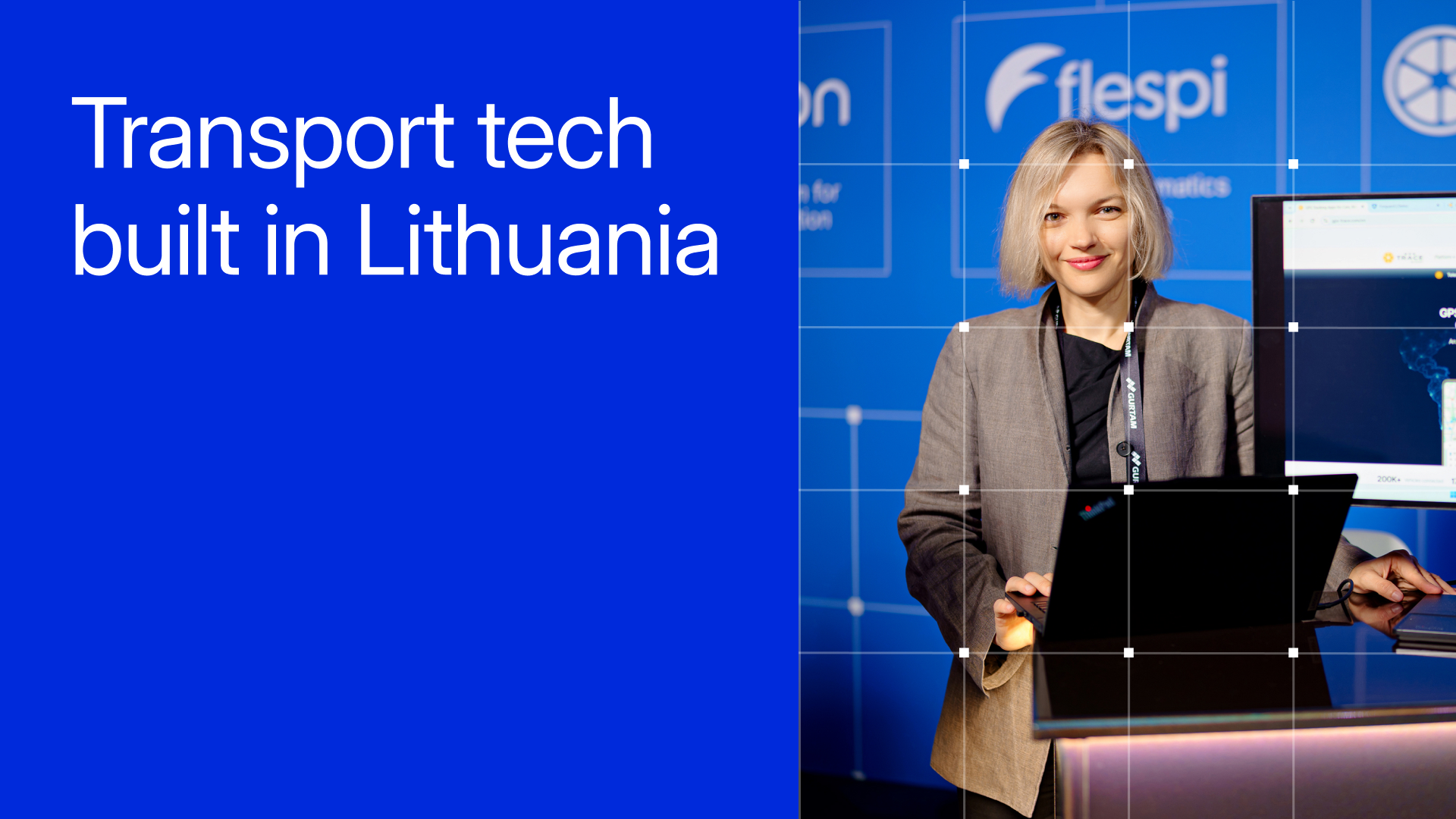
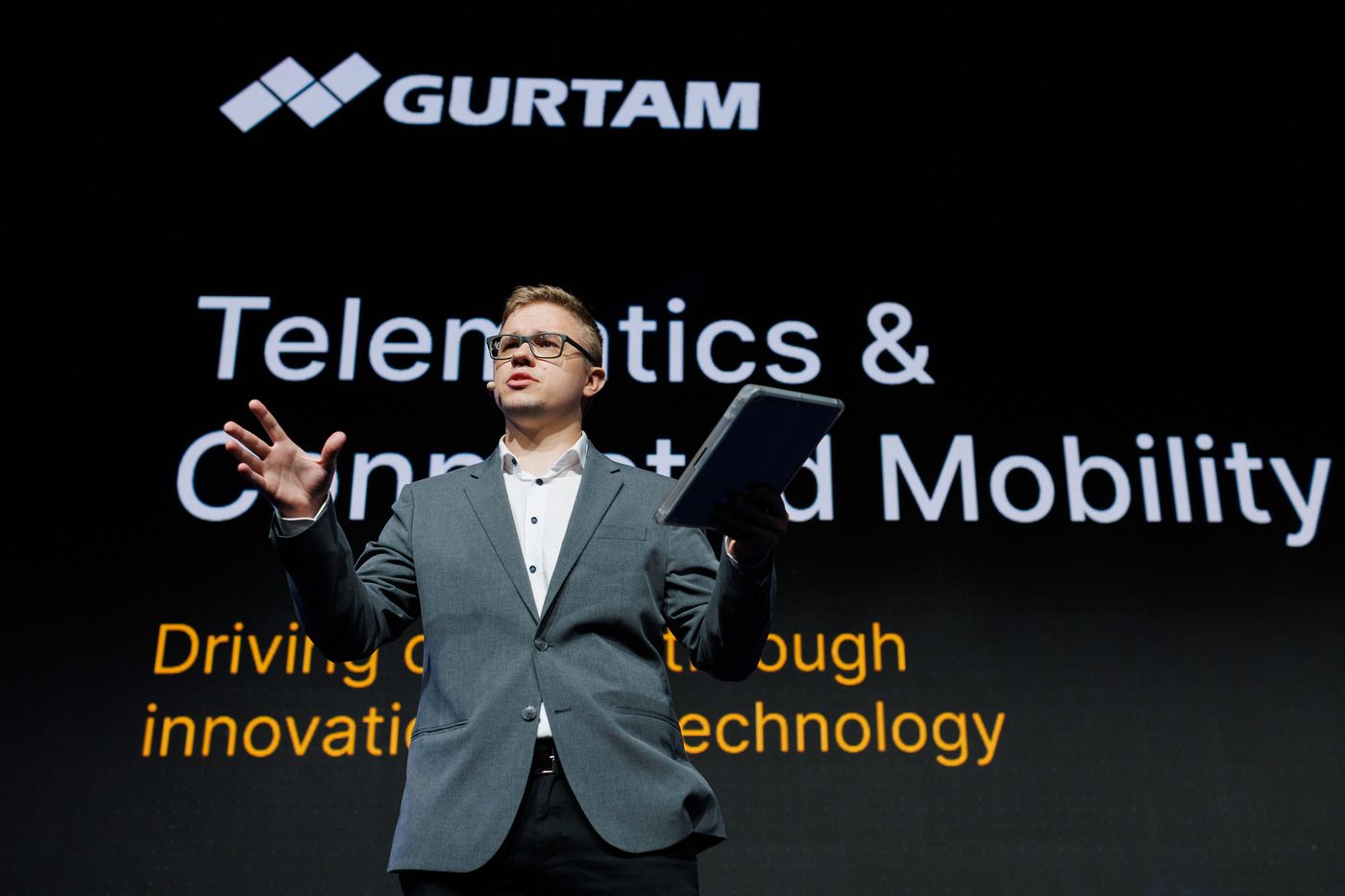
This was the idea behind the 2025 Telematics & Connected Mobility conference. Gurtam created it as an industry event, not only as a company or partner event. The conference is designed as a meeting point for telematics system integrators, software developers, connectivity providers, hardware manufacturers, and other professionals working across connected mobility.
In this sense, the conference became another step in building Lithuania's position as a telematics hub — one that needs open knowledge exchange, professional networks, and places where ideas can circulate across the industry.
By bringing telematics professionals from around the world to Vilnius, the Gurtam conference helped make Lithuania’s ecosystem more visible. It showed that it is not only a place where telematics products are built, but also where the industry meets, shares experience, and discusses the future of connected mobility. These efforts take time to pay off, and the next Telematics & Connected Mobility conference is already planned for 2027.
Small country, global telematics footprint
Lithuania has become a compact but increasingly visible point on the global telematics map, and there is good reason to expect that role to grow.
Its strength comes from a rare combination: product companies, technical talent, hardware and software expertise, export-oriented thinking, and industry events that bring people together.
"Built in Vilnius, used worldwide" isn't just about one company or one product. It describes a broader pattern. Lithuania has become a compact but meaningful point on the global telematics map — and there's good reason to expect that role will only grow from here.
As mobility becomes more connected, data-driven, and international, Lithuania has an opportunity to strengthen this position further. It can be one of the places where the future of telematics isn't only discussed, but built.