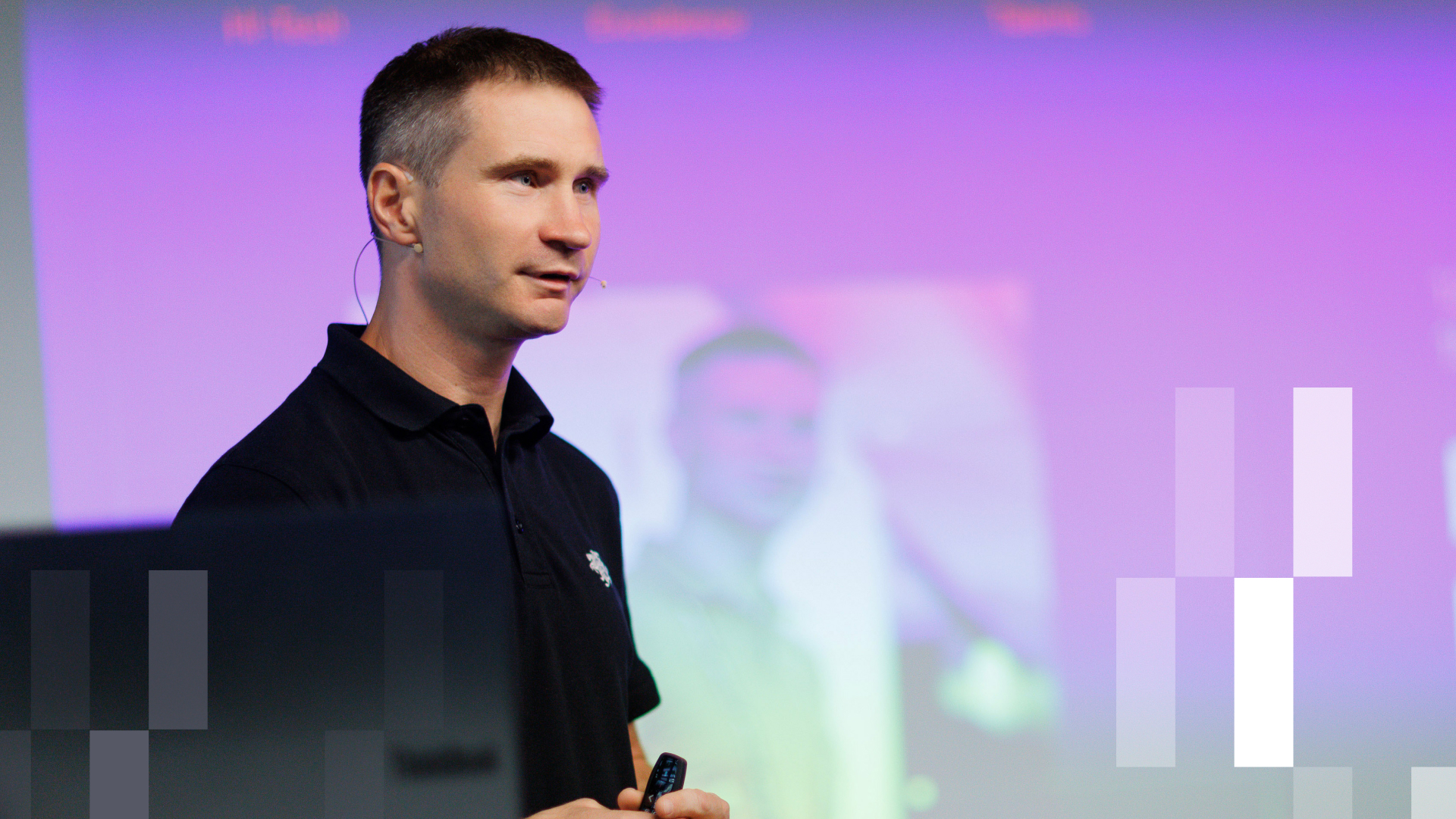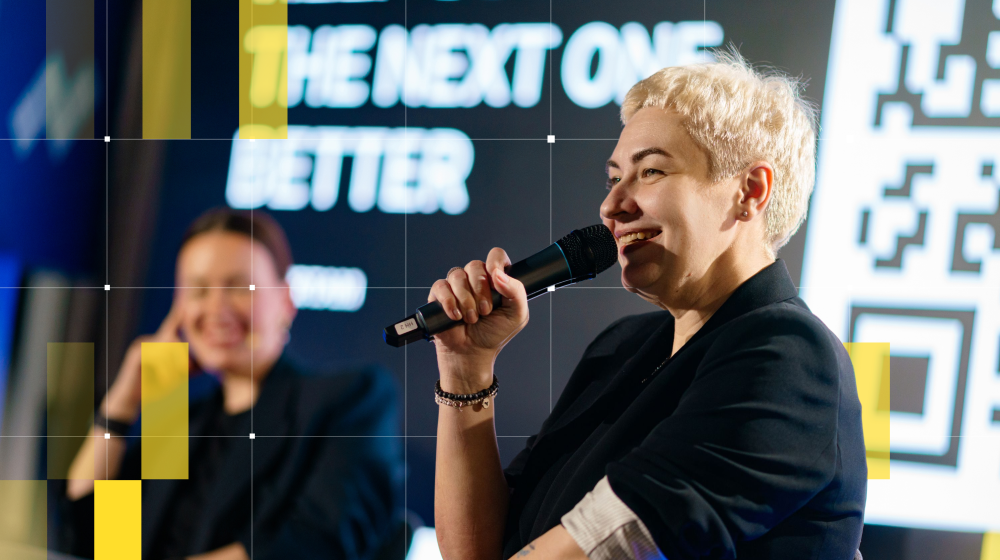
In the rapidly evolving tech landscape, the conversation is shifting from simply "how do we code?" to "how do we lead and who is at the table?". At a recent Gurtam event, two industry leaders – Aliaksandra Hancharova, Head of Product at Gurtam, and Jarūnė Preikšaitė, CEO of NGO Women Go Tech – shared the stage to discuss the hurdles of scaling leadership and the critical mission of bringing more women into the digital economy.
From the "trap" of doing everything yourself to the systemic changes needed to bridge the gender gap, here are the key takeaways for anyone navigating a career in tech today.
The Leadership Trap: "I’ll Do It Faster Myself"
For many high achievers, the initial stages of a career are built on being the "expert" – the person who has all the answers and moves the fastest. However, Aliaksandra Hancharova warns that this mindset becomes a significant bottleneck once you move into leadership.
"This phrase 'I will do it myself' sounds not like a superpower but like a super pressure," Aliaksandra noted. "When you step into a leadership position, you should switch your mindset; you should try to release and develop results through other people and systems."
Aliaksandra emphasized that delegation isn't just about clearing your schedule; it’s about team growth. When a leader makes every decision, the team stops thinking critically and becomes a group of "executors." To scale, leaders must delegate outcomes, not just tasks.
Bridging the Gap: Why Tech Needs Women Now
While leadership requires internal mindset shifts, the tech industry at large faces a structural challenge: a massive talent shortage. Jarūnė Preikšaitė highlighted that by 2030, the EU will be lacking nearly 10 million ICT specialists. The solution? Tapping into the "untapped audience" of women.
Jarūnė pointed out that while Lithuania leads some European averages, a 24% female representation in tech is not a final victory.
"One person out of four or five is a woman. How proud can we be about that?" Jarūnė challenged the audience. "We have an untapped audience of women who are not participating in the ICT sector, and we can take those talents and empower them in the digital economy."
The mission of Women Go Tech has shown that the barrier isn't a lack of interest, as 62% of women surveyed are interested in joining the sector, but rather a lack of confidence and long-term mentorship.
Useful Advice for Pursuing a Career in Tech
For women looking to break into tech or move up the ladder, our speakers offered practical, battle-tested advice:
1. Look Beyond Coding
Technology is more than just writing lines of code. Jarūnė emphasized the importance of the "Discovery" phase – understanding that roles in QA, UI/UX, Product Management, and Data Analysis are just as vital.
"Technology somehow still equals a white man in a hoodie... but we must educate that technology is not only programming," she explained.
2. Seek Human Connections
In an age of AI, human mentorship remains the "magic" ingredient for career success. Jarūnė advises seeking out mentors who can provide a reality check when you feel overwhelmed. Community support helps combat the "imposter syndrome" that often hits during the first year of a career switch.
3. Audit Your Time
Aliaksandra suggests a practical exercise for anyone feeling overwhelmed: the Time Log. Record your activities in 15-30 minute increments for two weeks.
"You might think a task takes five minutes, but over a week, it could be hours. If your value in that task is low, it’s a candidate for delegation or automation."
4. Embrace the "Messy" Middle
Delegation and career switching are both uncomfortable. Aliaksandra reminded leaders that they must accept a temporary drop in "perfection" to allow others to learn.
"The team should have the space to make mistakes and deal with consequences in a safe environment," she said.
Looking Ahead: The Future is Collaborative
The event concluded with an "experimental" panel where the ladies shared some uncomfortable truths. When asked about the one thing they wish they’d known before their first leadership role, the answers were grounded in reality. Jarūnė joked about the exhaustion of constant recruitment, while Aliaksandra gave a more clinical tip for the stress of leadership: "Magnesium should be taken for a long time because it has an accumulative effect."
Whether you are a product manager trying to stop micromanaging or a professional looking to switch into tech from a completely different field – like the midwife who successfully transitioned to tech that Jarūnė mentioned during meetup, the message is clear: The resources are there, the community is waiting, and the industry needs your perspective.
Want to hear more? Watch the full recordings of "P³ Meetup: Products, People, Performance" sessions and stay tuned for our next Gurtam Meetup!